Rahaloome, -süsteem ja inflatsioon lihtsas keeles

Sissejuhatus

Rahandus ja finantsmaailm tunduvad enamikele inimestele keerulised. Täis numbreid, graafikuid, eesmärke ja arvepidamist, millest justkui saavad aru ainult eksperdid. See loob tunde, et kõige targem on usaldada “neid, kes teavad” - investorid, pankurid, ministrid. Meile räägitakse majandusest läbi keeruliste arvutuste ja prognooside: intressimäärad, eelarved, SKP ja muud näitajad. Kõik see keerleb aga ühe keskse mõõdiku ümber – tarbijahinnaindeks ehk ametlik inflatsioon. Just selle põhjal räägitakse meile majanduse tervisest, seatakse eesmärke, arvutatakse erinevate instrumentide tootlust ja rakendatakse poliitikaid. Aga see on vaid kogu loo pinnavirvendus. Tarbijahinnaindeks ei ütle midagi selle kohta, kuidas raha ise tekib ja miks selle väärtus ajas väheneb. See on pigem sümptomite mõõtmine, mitte põhjuse kirjeldamine.
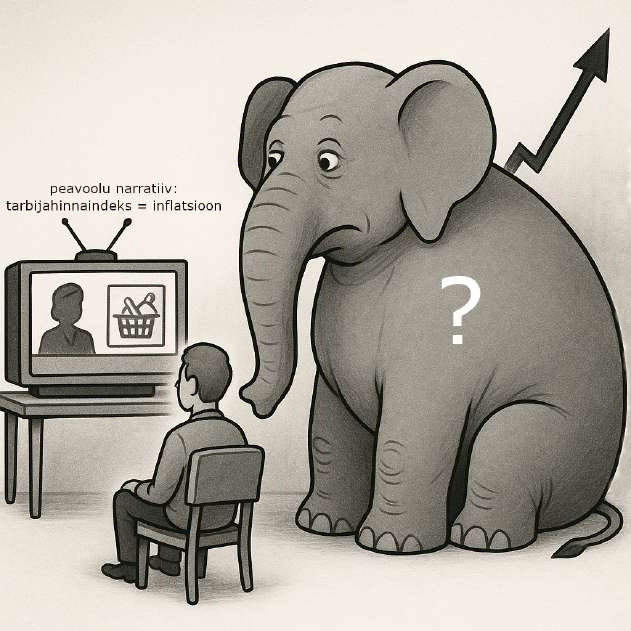
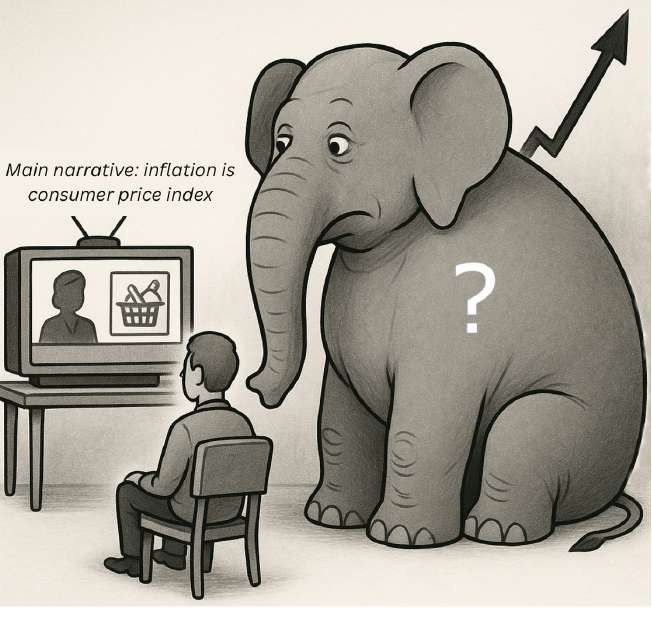
Peavoolu narratiiv: tarbijahinnaindeks = inflatsioon

Raha tegelik loomine

Selleks, et mõista kõige olulisemat ei ole vaja keerukaid mudeleid, vaid tuleb vaadata kuidas tekib raha.

Keskpangad

  • Keskpank loob ainuõiguslikult baasraha (M0): sularaha ja pankade reservid keskpangas.
  • Seda tehakse riigivõlakirju ostes või pankadele laene andes.
  • See raha liigub edasi läbi kommertspankade süsteemi.

Kommertspangad

Ent just kommerts- ehk tavapankades toimub midagi, mis ei ole küll saladus ent peaaegu täielikult ignoreeritud tõde. Just siin sünnib suurem osa rahast läbi krediidiloome. Kui pank väljastab laenu, ei võeta seda olemasolevate hoiuste arvelt. Vastupidi, laen loob uue hoiuse. Seda tehakse ühe raamatupidamiskande abil.

  • Aktiva poolele: “Laenukohustus kliendi vastu” (panga nõue).
  • Passiva poolele: “Hoius kliendi kontol” (panga kohustus kliendi ees). Klient saab seda uut raha kasutada ja see liigub süsteemis edasi nagu päris. Tehniliselt võime kirjeldada sellist raha kui “kontoraha” (ingl. k. “book money”, saksa k. “buchgeld”) võrreldes “baasrahaga” (ing. k.l “cash”, saksa k. “bargeld”). Neid saab eristada, ent praktikas on tegemist ikkagi ringluses oleva rahaga. Seepärast liiguvad laenude ja hoiuste mahud alati koos. Kui laenud kasvavad, kasvavad ka hoiused. Kui laene tagasi makstakse, siis need hoiused hävivad. Raha sünnib ja kaob krediidiloome kaudu.

Osareservi topeltšokk

Osareserviga majandamine tähendab, et pank peab klientide hoiustest ainult väikese osa – näiteks 10% – reservina alles hoidma. Ülejäänut võib välja laenata… See võiks juba tekitada tõsiseid küsimusi kogu lahenduse ülesehituses. Et kui paned panka 100€, võib pank sellest 90€ laenuks anda. See on suur võimendus ja risk. Kas pangad ikka peaksid sellist asja meie rahaga tegema? Aga reaalsus on veelgi intrigeerivam. Laen ei tule olemasolevast hoiusest, vaid pank loob selle uue rahana. Nii saab sama 100€ hoius olla reserv, mille najal võib tekkida hoopis 900€ uut laenuraha. Kokku on arvestuses 1000€ – sellest 100€ reservis ja 900€ laenudena loodud. Sama osareservi reegel, aga hoopis teise suurusjärguga. Ja see on normaalsus - finantsmaailm on üles pumbatud rahaga mida tegelikult ei ole ja sellega devalveeritud kogu rahasüsteem.

Seaduslik alus

  • Riik annab pankadele tegevusloa ja seab neile raamid. Seadused, järelevalve (Eestis Finantsinspektsioon) ning hoiuste tagamise süsteem annavad ühiskondliku garantii, et pank võib tegutseda erilise õigusega, mida tavalised ettevõtted ei oma.
  • Keskpank määrab mängureeglid: kui palju peab pangal olema omakapitali ja reserve, millised on intressimäärad ja kuidas toimub arveldamine. Nii hoitakse süsteem “tasakaalus” ja suunatakse seda vastavalt majanduse vajadustele.
  • Pangad tegutsevad nende piiride sees. Nad otsustavad, kellele ja kui palju laenu anda, ning teenivad selle pealt intressi. Intress tähendab aga seda, et laenude tagasimaksmisega ei saa rahaloome tsükkel kunagi täielikult sulguda — süsteem vajab pidevalt uut raha ja uut võlga, et ka intressid oleks võimalik ära maksta.

Keskpankade enda sõna

Raha teke läbi krediidiloome ei ole “alternatiivne teooria”, vaid keskpankade endi kinnitus:

  • Bank of England (2014): Money creation in the modern economy “Whenever a bank makes a loan, it simultaneously creates a matching deposit in the borrower’s bank account, thereby creating new money.”
  • Deutche Bundesbank (2017): How money is created banks can create book money just by making an accounting entry: according to the Bundesbank's economists, "this refutes a popular misconception that banks act simply as intermediaries at the time of lending – ie that banks can only grant credit using funds placed with them previously as deposits by other customers"
  • BIS ECONOMIC PAPERS N° 1- November 1979: CREDIT AND LIQUIDITY CREATION IN THE INTERNATIONAL BANKING SECTOR Esimene dokument oma sarjas, kus “keskpankade keskpank” Bank for International Settlements (BIS) kirjeldas selgelt, kuidas rahvusvahelised pangad loovad krediidi kaudu raha ja likviidsust, mitte ei vahenda ainult hoiuseid. See teeb sellest ühe varasema ja mõjukama ametliku kinnituse tänapäevase rahasüsteemi loogikale.
  • Richard Werner – Princes of the Yen Werner oli üks esimesi, kes akadeemiliselt ja empiiriliselt näitas Jaapani finantssüsteemi näitel, kuidas krediidiloome toimub, kuidas pangad loovad raha “õhust” ning kuidas keskpank seda protsessi suunab. “Banks do not lend out deposits, they create deposits by granting credit. This credit creation is the source of most of the money supply.” Meie igapäevaelus kasutatav raha on valdavalt laenuraha, mille kommertspangad loovad uute laenude andmisel. Väiksem osa on baasraha – sularaha ja keskpanga loodud reservid. Need kaks koos moodustavadki kogu rahapakkumise (M2), aga nende olemus on täiesti erinev.

See võib kõlada imelikult ja uskumatult. Enamik inimesi (k.a. pangatöötajaid) arvavad siiani, et pank laenab edasi kellegi hoiuseid. Tegelikult on vastupidi: laen loob hoiuse. See teeb raskeks

panga bilansist järelduste loomise. Meile tundub justkui, et laenud võiksid tuleneda hoiustest ja olla seeläbi tasakaalus aga ei teadvusta, et hoiused ongi tegelikult enamjaolt laenud!

Näiline hind vs raha pakkumine

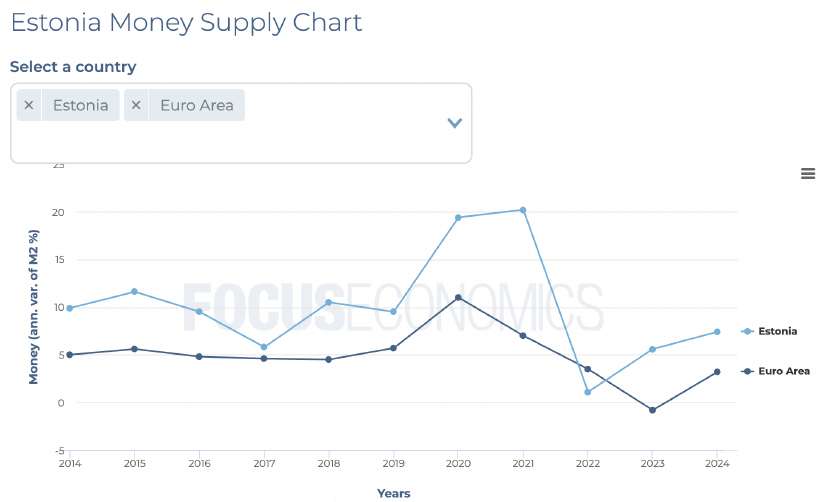
Ametlikult öeldakse meile, et inflatsioon tähendab hindade tõusu. Tarbijahinnaindeks ongi see mõõdik, mille järgi poliitikud ja keskpangad otsuseid teevad. Kui hinnad tõusevad 2–3% aastas, peetakse seda “normaalseks” ja “terve majanduse” märgiks. Aga algselt tähendas inflatsioon hoopis midagi muud. Sõna “inflatsioon” kasutati siis, kui raha hulka paisutati — kui ringlusesse lasti rohkem valuutat, kui see oli varem kaetud. Hinnatõus ei olnud definitsioon, vaid tagajärg. See muutus pole juhus. Kui inflatsioon tähendab vaid hindade tõusu, saab seda mõõta piiratud ostukorviga ja esitada näiliselt kontrollitavana. Raha hulga paisumist aga on ebamugavam poliitiliselt tunnistada. Nii nihkus kogu mõiste fookus — rahast hindadele. Tegelik inflatsioon on rahapakkumise kasv, ehk raha enda väärtuse kahanemine. Ja see on hoopis teisel skaalal: meil Eestis ligikaudu 7–10% aastas, vahel rohkemgi. See tähendab, et raha põleb kiiremini, kui meile öeldakse.
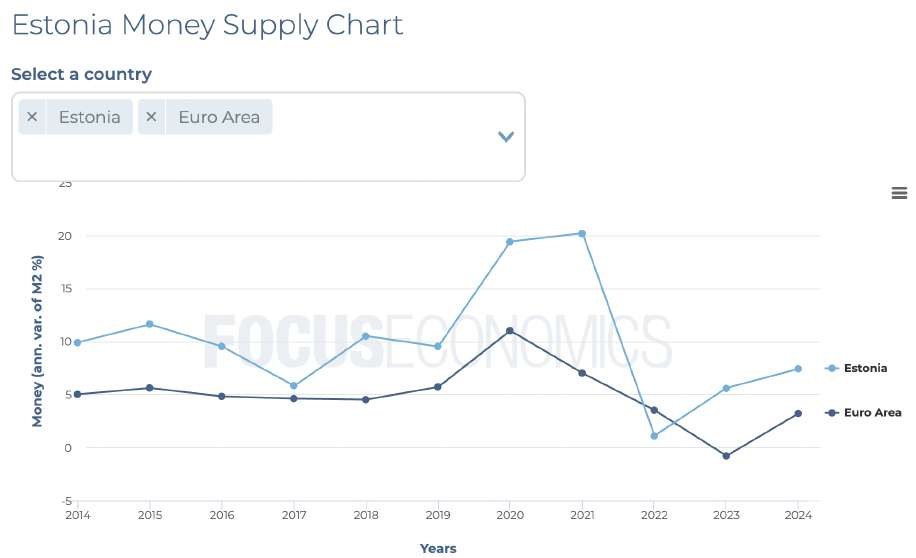
Eesti rahapakkumine (M2) aastane muutus võrreldes euroalaga. Allikas: FocusEconomics

Kas sellel on vahet?

Loomulikult. Vahe on suur. Lahkheli tekib juba juurtasandil. Kui usud ametlikku 2% inflatsiooni, siis tundub, et panga hoiuse 3% intress või pensionifondi 5% tootlus on hea. Aga kui raha hulk kasvab tegelikult 7–10%, siis oleme süsteemi-üleselt miinuses. Raha väärtus väheneb kiiremini, kui tootlus kasvab. See muudab kogu arusaama säästmisest, investeerimisest ja pensionist. Ajapikku hävitab ta generatsioonide vara ja suurendab ebavõrdsust. Kõige rohkem kannatavad “korralikud” - need kes säästavad ja väldivad laenusid. See puudutab ka riigipoliitikat. Kui valitsus räägib “vastutustundlikust eelarvest”, aga samal ajal paisutab raha hulka läbi keskpanga ja kommertspankade, on tegelik pilt moonutatud. Maksutõusud, pensionisüsteem ja riigivõlg on kõik ehitatud arusaamale, et inflatsioon on see, mida tarbijahinnaindeks näitab. Kui alus on vale, siis on kogu arutelu nihkes. Kõige olulisem tasand on inimeste teadvus - haridus. Oleme harjunud mõtlema, et hindade tõus on paratamatu. Tegelikult ei ole. See on süsteemi tagajärg, mitte loodusseadus. Raha kui meie töö ja energia ekvivalent ei peaks lekkima. See ongi näiline vs tegelik inflatsioon: mitte hinnatõus poes, vaid see, kui kiiresti meie raha väärtus tegelikult ära kaob. Kui sellest teadlikuks saada, siis muutub kogu pilt. Ja see ei ole enam majanduslik detail, vaid alus, mille najal püsib kogu poliitika, maksusüsteem ja meie ühine tulevik. Palju räägitakse investeerimisest ja finantsvabadusest - finantsgurud, konverentsid ja igasugused kursused tekitavad mulje nagu investeerimine on äge ja vajalik. Ent samal ajal tuleb ka teadvustada, et enamus investoreid kaotavad raha. Ellujäämine turgudel on tõsine töö ja kurb, kui lisaks tavaelule on vaja ka sellega tegeleda, et säilitada oma väljateenitud raha väärtus. Lisaks sellele, et turud ja inforuum on äärmiselt manipuleeritud, on veel üks oluline teadvustama väljakutse. Vaatleme seda läbi oma kohaliku finantsturu.
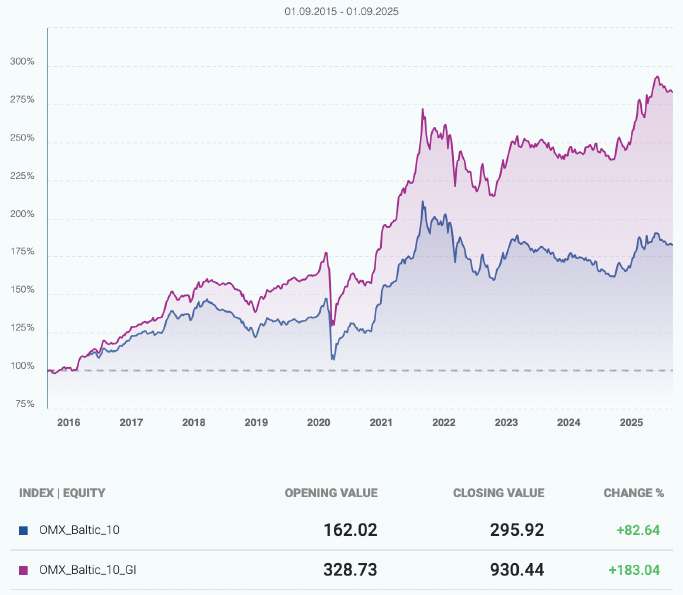
OMX Baltic 10 hinna- ja kogutootlusindeks, 2015–2025. Allikas: Nasdaq Baltic

OMX Baltic 10 indeks koondab 10 kõige aktiivsemalt kaubeldavat ja likviidsemat aktsiat Balti börsil. Selle hinnaindeksi kasv viimase kümne aastaga on peaaegu 2- kordne. Arvestades ka dividendidega, mis investeeritakse kohe tagasi aktsiasse, on tootlus peaaegu 3-kordne. Päris hea, jah?
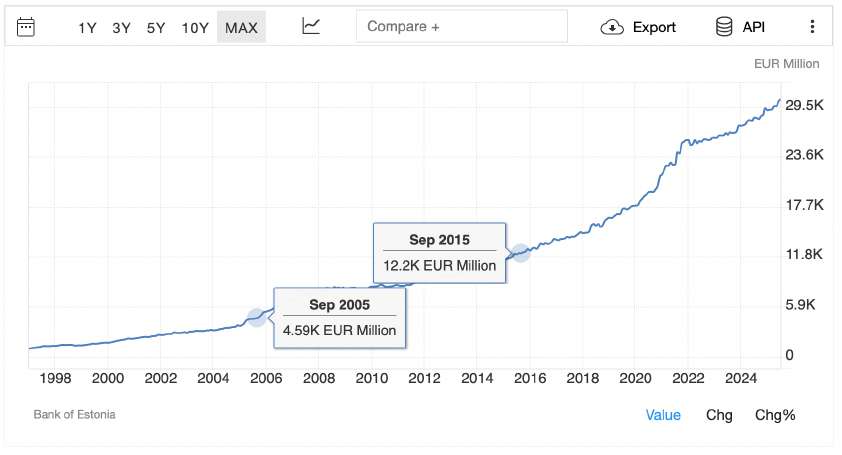
Eesti rahapakkumine (M2). Allikas: Trading Economics / Eesti Pank

Kuid balti suuremate ja paremate aktsiate tootlus ei ole enam nii muljetavaldav, kui arvestada, et viimase kümnendiga on rahahulk Eestis kasvanud 2.5 korda (aastas keskmiselt 9.5%). 20 aastaga on rahahulk kasvanud 6.6 korda (9.8% aastas). See tähendab, et parimate firmade tootlus on enamvähem nullis võrreldes raha väärtuse kadumisega. Järgnev graafik näitab, kust need laenud kõik tulevad.
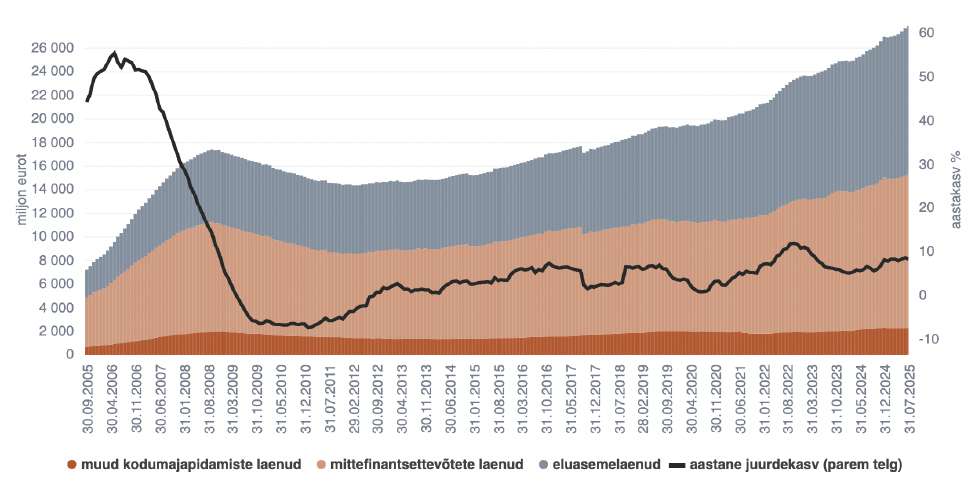
Eesti Pank. Residentidest mittefinantsettevõtete ja kodumajapidamiste laenu- ja liisingujääk ning aastakasv, 2005–2025

Praeguses rahandussüsteemis ja ühiskonna normis on seega “majanduskasv = võlakasv”. Sellisel juhul on meie praegune edu otseselt tuleviku arvelt. Kas me ikka tahame olla Euroopa kiiremini kasvavate riikide hulgas?

Keinsistlik raamistik — kuidas see kõik normaalne on?

Kui esimest korda mõista, et pangad loovad raha laene andes ja et majanduse kasv tähendab tegelikult võlakasvu, tundub see absurdsena. Kuidas saab selline asi olla seaduslik ja miks seda peetakse normaalsuseks? Vastus peitub majandusteooria loos. Klassikaline majandusteooria (18.–19. sajand, Adam Smith, David Ricardo) uskus turu eneseregulatsiooni. Kui tekkis kriis, pidi turg end ise tasakaalu viima: hinnad langevad, vähemefektiivsed ettevõtted kaovad ja lõpuks taastub uus tasakaal. See on loogika, mis elab edasi ka Austria koolkonnas – usk turu loomulikku korrastavasse jõusse ja piiratud rahasse. Raha on kui elav organism loomulike tsüklitega mis peegeldavad inimkonda ja hetke olukorda. John Maynard Keynes kirjutas oma peamised ideed aga hoopis teises ajastus – 1930. aastate suure depressiooni ajal, kui töötus oli massiline ja turg ei taastunud. Klassikaline “oota ja turg

paraneb” ei toiminud piisavalt kiiresti. Keynes järeldas, et probleem ei pruugi olla pakkumises, vaid nõudluses: kui kõik hakkavad säästma ja kulutused kaovad, jääb majandus seisma. Tema lahendus oli, et riik peab vajadusel sekkuma – rohkem kulutama, laenama, looma nõudlust. See oli oma ajas veenev, isegi päästev idee. Poliitiliselt ei olnud keeruline seda rahvale maha müüa. Keynes ei pooldanud igavest trükkimist, vaid kriisiaegset tuge. Aga kui 1971 katkestati seos raha ja kulla vahel, muutus tema raamistik ideaalseks õigustuseks uuele fiatraha-ajastule: nüüd polnud piiranguid ja raha sai paisutada vastavalt vajadusele. Sellest sai majanduse “uus normaalsus”. Akadeemias domineerib endiselt keinsistlik mõttelaad, kus keskpanga trükkimine, riigivõla kasv ja pankade krediidiloome on loomulikud tööriistad. Nii tundubki rahapakkumise paisutamine mitte probleem, vaid paratamatus ja isegi lahendus.

Fiat — raha riigi käsul

Sõna fiat tuleb ladina keelest ja tähendab: “saagu”, “nii olgu”. See väljendab käsu või otsuse jõudu. Just nii toimibki fiat-raha: selle väärtus tuleneb riigi ja seaduse ütlusest, et “see on raha”.

Kui kullale annab väärtuse metall ise ja selle kaevandamine: füüsiline nappus, mida loodus piirab; ja näiteks Bitcoinile annab väärtuse matemaatika ja energiapõhine hajutatud kaevandus: digitaalne nappus, mida piirab kood; siis fiat-rahale annab väärtuse ühine usk ja seaduslik kohustus seda aktsepteerida. Tänapäeva euro, dollar ja teised suuremad valuutad on kõik fiat — raha, mis eksisteerib, sest me lepime kokku, et ta eksisteerib.

Kuidas me siia jõudsime?

Raha ajalugu on pikk ja kirev — ulatudes vahetuskaubast, merekarpidest, lihvitud kividest ja metallrahadest kuni erinevate impeeriumide maksusüsteemideni. Sellel kõigel on oma roll inimühiskonna kujunemises. Siin alustame aga viimaste sajanditega, sest just siis sündis tänapäevane panganduse ja rahanduse loogika: raha kui lubadus, osaline reserv, ja lõpuks täielik fiat-süsteem.

Kullaajastu

Alguses tähendas raha päriselt kulda või hõbedat. Turvalisuse ja mugavuse ajendil tekkisid pankurid ja kullassepad, kes hoidsid väärismetalli ning andsid selle vastu hoiutõendeid (IOU - I owe you). Need tõendid muutusid kiiresti populaarsemaks kui kulla tassimine — neid sai kasutada kaupade ostmiseks ja võlgade tasumiseks.

Siit sündis esimene “raha vahendamise” loogika: inimesed ei tulnud oma kulda iga päev tagasi nõudma, vaid kasutasid paberit tõendina. See oli lihtsam ja paratamatu. Vahendajad märkasid seda, et enamus kuld lihtsalt istub seifis ja valdav enamus eelistab kasutada “paberikulda” kuna see on praktiline; ja seega hakkasid vahendajad andma välja rohkem kviitungeid, kui neil kulda

tegelikult varus oli. See oli esimene samm krediidiloome poole: loodi rohkem lubadusi kui tegelikku katet. Oluline täpsustus: Kuld ise ei liikunud enam, liikusid lubadused kullale. Raha muutus varast ligipääsuks varale — ja sealt edasi usuks ligipääsule.

Briti nael ja kullaga tagatud maailm

18.–19. sajandil kujunes Suurbritanniast globaalne impeerium ning Briti naelsterlingist sai maailma juhtiv raha. Nael oli seotud kullaga ning Londoni pangandussüsteem kujunes rahvusvahelise kaubanduse keskuseks. Paljud teised valuutad olid kas otseselt kullaga seotud või kaudselt seotud läbi naela.

Seda perioodi esitletakse sageli kui “kullastandardi kuldaega”. Tegelikkuses oli ka see süsteem vahendatud ja tsentraliseeritud: kuld oli koondunud pankade ja riiklike varahoidlate kätte ning igapäevases majanduses ringlev raha oli juba ammu paber ja arveldus. See tähendab: isegi “kullaga tagatud maailm” ei toiminud otsese kullarahana, vaid hierarhilise ligipääsusüsteemina, kus vähestel oli reaalne kontroll ja enamikul lubadus.

20. sajand — osaline reserv ja maailmasõjad

19.–20. sajandi jooksul kehtestati osaline reserv: pangad pidid hoidma vaid osa kullast reservis. Ülejäänu sai laenudena välja anda. See süsteem kehtis seni, kuni tekkisid kriisid ja sõjad. Maailmasõdade ajal trükiti raha massiliselt juurde, et sõjamasinat rahastada, ja kullaga seotus murenes. See on oluline kõrvalmärkus – tänapäeva massilised sõjad on võimalikud ainult rahatrüki tõttu. See on ka põhjus, miks olla kirglik rahasüsteemide huviline. See ei ole lihtsalt “finantsteema”, vaid märgiliste tagajärgedega inimkonna temaatika, ja seetõttu oluline teadlikule inimesele. Siin muutus ka lõplikult selgeks üks asi: kullaga seotud raha ei ole kriisiajal hoitav. Kui riigi eksistents on kaalul, murdub alati lubadus.

Bretton Woods ja dollari kullatagatis

  1. aastal lepiti Bretton Woodsi konverentsil kokku uues maailmakorras: USA dollar seoti kullaga (1 oz = 35 USD) ja kõik teised valuutad seoti dollariga. USA-st sai maailma reservvaluuta hoidja, sest neil oli suurim kulla varu.

Tegelikult oli see juba teise astme kullastandard: enamik riike ei omanud enam otsest suhet kullaga, vaid usaldas USA lubadust. Kuld oli koondunud ühte keskmesse ning maailm kasutas selle keskme poolt väljastatud tõendeid.

Nixoni šokk — „ajutine“ lahendus, mis jäi püsima

  1. aastal katkestas USA president Richard Nixon dollari seotuse kullaga. Põhjus oli tagataustal lihtne: USA oli Vietnami sõja ja sotsiaalprogrammide tõttu tohutult kulutanud ning kulda enam ei jätkunud, et katta kõiki välismaalaste nõudeid dollarite vastu. Paljud riigid, eriti Prantsusmaa, olid hakanud dollareid reaalselt kullaks vahetama (tragikoomiliselt saadeti 1965. aastal sõjalaev New Yorki kulla järele) ning kulla varud hakkasid otsa saama. Kõrvalmärkusena on huvitav näha sarnast käitumist tänapäeval, kui Itaalia nõuab oma kulda enda kätte. Nixon põhjendas avalikkusele, et see on “ajutine meede, et kaitsta dollarit spekulantide eest”. Rahvale esitati seda justkui hädavajalikku kaitsesammu, et stabiliseerida olukorda. Tegelikult tähendas see aga kulla ja dollari lõplikku lahutamist ning täieliku fiat-ajastu algust globaalselt. Ja nagu sageli “ajutiste meetmete” puhul, jäi seegi püsima.

Keskpank ja Föderaalreserv

Ajaloo suuremas kontekstis on vajalik mõista ka keskpankade erilist positsiooni. Need ei ole tavalised turuosalised ega ka valitsuse otsehallatavad asutused. Nende ülesanne on juhtida rahapoliitikat: reguleerida intressimäärasid, hallata rahapakkumist ja tagada finantssüsteemi toimimine.

Iga süsteem on veidi erinev: Euroopas juhib keskpanka üleliiduline Euroopa Keskpank, Hiinas on keskpank partei kontrolli all, USA-s aga tegutseb Föderaalreserv formaalselt sõltumatu organina. Rahvusvahelisel tasandil koordineerib keskpankade tegevust Bank for International Settlements Šveitsis. Kõige võimsam keskpank on Ameerika Ühendriikide Föderaalreserv (FED), sest USA dollar on maailma reservvaluuta. FED loodi 1913. aastal pärast salajast kohtumist Jekylli saarel, kus väike ring poliitikuid ja pankureid pani paika uue süsteemi reeglid. FED on eriline hübriid: selle liikmespankadeks on suurimad kommertspangad, juhatuse nimetab poliitika, kuid rahvas seda ei vali. FED on kaitstud seadustega, USA sõjalise jõu ja globaalsete lepingutega. Kriitikud, nagu G. Edward Griffin raamatus The Creature from Jekyll Island, on nimetanud FED-i süsteemiks, kus kollektiivne raha sünnib võlana, intressikasum koguneb väheste kätte ja risk jagatakse kõigi vahel. See on institutsioon, mida rahvas ei vali ja mille üle puudub otsene demokraatlik kontroll, kuigi selle otsused mõjutavad kogu maailma majandust. Keskpankade ümber tiirlev küsimus ongi, kuidas on see normaalne, et väikese seltskonna käes on majanduse juhtimishoovad?

Viimane faas — FIAT raha haihtumine

Täna oleme tsükliliselt süsteemi viimases faasis: raha ei ole seotud ei kulla, hõbeda ega ühegi füüsilise piiranguga. See põhineb usul, võlal ja pideval laienemisel. Kui majanduskasv aeglustub, peab raha juurde looma. Kui kriis süveneb, tuleb raha juurde luua. See on süsteem, mis ei saa enam peatada ja mis on lõhkemise faasil. Samas kerkib üha sagedamini väide, et “lahendus on minna tagasi kullale”, sest kuld on “5000 aastat töötanud”. Tegelikult ei ole kuld kunagi töötanud süsteemselt globaalse rahana ilma tsentraliseerimise ja vahendamiseta, mille tõttu on see alati tsentraliseeritud, mille järel side raha ja kulla vahel hägustatud, kuniks lõpuks täielikult eemaldatud. Seega ei ole “tagasi kullale” liikumine edasiminek, vaid tagasipöördumine juba läbi käidud mittetöötavasse tsüklisse, mille lõpp on teada. Kuld ei ole disainitud kaasaegse, globaalse ühiskonna rahaks. Kuld ei ole suveräänne/ vabaduse raha, vaid väärismetall.

Eesti lugu selles kontekstis

Eesti ajalugu peegeldab laiemat liikumist, aga väikeriigi kontekstis olid sammud eriti järsud:

  • 1920.–30. aastatel oli meil oma kullaga tagatud kroon. Inflatsioon oli madal, sest raha seoti füüsilise varaga.

  • Nõukogude ajal ei olnud Eestil oma raha, vaid rubla, mis oli poliitilise kontrolli vahend. Rahareformid (1947 ja 1961) olid valuuta ja ühtlasi inimeste säästude puhastamised. See jättis eestlastele sügava kogemuse, et raha väärtus võib muutuda üleöö.

    1. aasta rahareformi järel kogesime hüperinflatsiooni. Hinnad tõusid 1992. aastal üle 1000%. See näitas, kui habras on raha usaldus ilma reaalse katteta.
  • Valuutakogu süsteem (kroon seotud Saksa margaga) tõi inflatsiooni alla ja lõi stabiilsuse. 90ndate keskpaigaks oli inflatsioon juba alla 30% ja langes hiljem ühekohaliseks.

    1. aastast euroalaga seotud ja hiljem euro kasutuselevõtuga kaotasime iseseisva rahapoliitika. Rahvale kommunikeeritud inflatsioon (tarbijahinnaindeks) on püsinud enamasti 2–4% vahemikus, kuid tegelik rahapakkumise kasv (M2) on olnud palju kiirem — ligikaudu 7–10% aastas.

Raha kulg kokkuvõtvalt

  • Algul on raha = kuld/ hõbe.

  • Siis raha = lubadus kullale, mis võimaldab võtta vaheltkasu

  • Seetõttu raha = osaliselt kaetud lubadus.

  • Pärast 1971 = puhas fiat, ainult keskpankade ja kommertspankade lubadus.

  • Eestis = oma kuldkroon → iseseisvuse kaotus → taas oma kroon (hüperinflatsioon ja stabiliseerimine) → euro ja ühtne fiat-süsteem.

  • Nüüd on raha = võlg, ja seda ülemaailmselt.

Tuleviku teed

Rahasüsteem ei jää paigale. Juba praegu on välja kujunemas mitu võimalikku uut rada. Oleks kasulik mõista erinevaid suundasid ja samal ajal teadvustada erinevust ülesehituses. Vastasel juhul võib olemasolev uppuv laev uute loosungite saatel teid põhja viia.

1. Keskpanga digivaluuta (CBDC)

Euroopas on ehitamisel digieuro, Hiinas juba käigus digitaalne jüaan. Erinevused kontrollis: Euroopas “sõltumatu” keskpank, Hiinas otsene riigi kontroll. Mõlemal juhul on tegu fiat’iga — keskselt juhitud, inflatsiooniline alusraha. Kokku uurivad või ehitavad globaalselt 137 riiki ja valuutaühingut keskpanga digivaluutat.
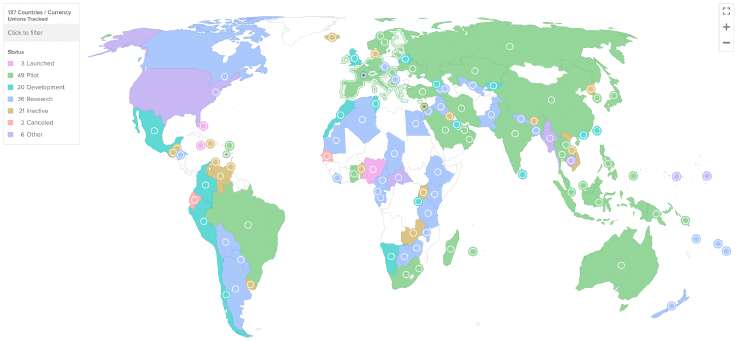
Atlantic Council CBDC tracker: 137 riiki ja valuutaühingut

2. Stablecoin

Need on uued digitaalsed rahad, mis on seotud näiteks USA dollariga. Innovatsioon on selles, et neid saab kiiresti, odavalt ja lihtsalt kanda üle maailma, justkui krüptoraha. Aga sisu jääb samaks: tegemist on endiselt FIAT’iga. Stablecoin ei murenda vana süsteemi, vaid pigem tugevdab seda. Ta loob uue nõudluse alusvaluutale (nt dollar - usd stablecoin on tagatud ehk ostab USA riigivõlga) ja võimaldab selle eluiga pikendada — isegi olukorras, kus usaldus oleks muidu murenemas.

3. Bitcoin

Esimene reaalne tehniline alternatiivne raha. Hajutatud, piiratud pakkumisega (21 miljonit, iga bitcoin sisaldab 100 miljonit väiksemat ühikut, satoshit), ei sõltu ühestki riigist ega keskpangast. Bitcoin pakub täiesti uut suveräänset ja globaalset alusraha loogikat: raha, mis ei põhine võlal, kesksel kontrollil ja mida ei saa juurde luua, isegi kui tahaks.

Mida see kõik meile tähendab?

Süsteem töötab nii, nagu ta töötab. Seda pole mõtet eitada ega dramatiseerida ega ka rünnata osalisi - võlapõhine raha kukub kokku ilma selle kõigeta. Küll aga saame vältida üha valusamaid tagajärgi, valmistudes juba praegu ette liikumist uutele alustele. Individuaalselt tähendab see, et peaksime teadvustama: ametlik inflatsioon ei peegelda tegelikku raha väärtuse vähenemist. Kui hindame oma säästmist ja investeeringuid, peame arvestama rahapakkumise kasvuga. Näiteks kuld peegeldab ja neutraliseerib viimase 20 aasta jooksul hästi Eestis toimunud rahapakkumise suurenemist.
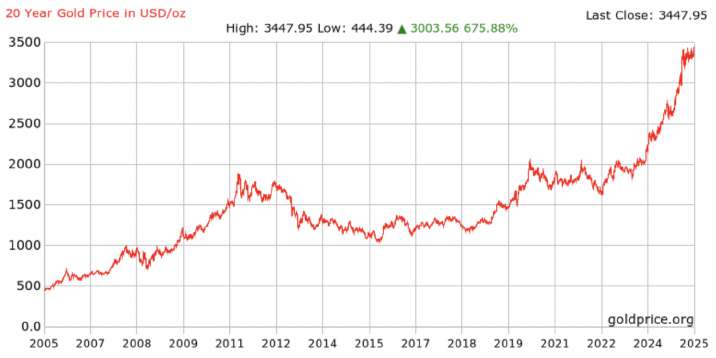
Kulla hind viimase 20 aasta jooksul (USD/oz). Allikas: goldprice.org

Ent kuld pole disainitud globaalne alusraha, vaid kasulik - lausa maagiline element - mida me hoiame sunniviisiliselt ja harjumuspäraselt peidus varakambrites.

Kollektiivselt tähendab see, et seisame valiku ees: millist rahasüsteemi me endale loome? Milline on uue maailma raha, arvestades kogu meie minevikku ja praegusi arenguid?

Lõppsõna

Raha on inimeste töö/ energia talletaja ja vahendaja. Kui see toimib õiglaselt, aitab ta meie koostööd ja loovust võimendada. Aga kui raha pidevalt lekib — kui tema väärtus väheneb ja ta teenib vaid väheste huve — siis muutub ta meid kõiki kurnavaks jõuks. Sõltumatu ja aus raha oleks vahend, mis teenib kõigi huve. Praegu see nii ei ole. Aga see teadmine ei ole põhjus paanikaks. Vastupidi — see on põhjus selguseks. See, mida oled siin lugenud, ei ole erialaõpik ega “ekspertide saladus”. See on algõpe kõigile, mitte üliõpe vähestele. Raha mõistmine ei ole keerukus, vaid lihtsus. See on samm harituse ja selgema silmaringi poole.

Mis edasi?

Kuidas me tahame oma energiat talletada ja suunata? Mis raha võimaldab meil teha vahetut

koostööd? Kuidas me saame tagada, et raha on sõltumatu ja aus? Kuidas luua süsteem, mis ei leki energiat väheste taskusse, vaid toetab meid kõiki? Need on küsimused, mille üle tasub mõelda nii individuaalselt kui kollektiivselt. Ja ehk just sellest arutelust sünnib tee, mis viib meid ausama ja helgema tuleviku rahani.
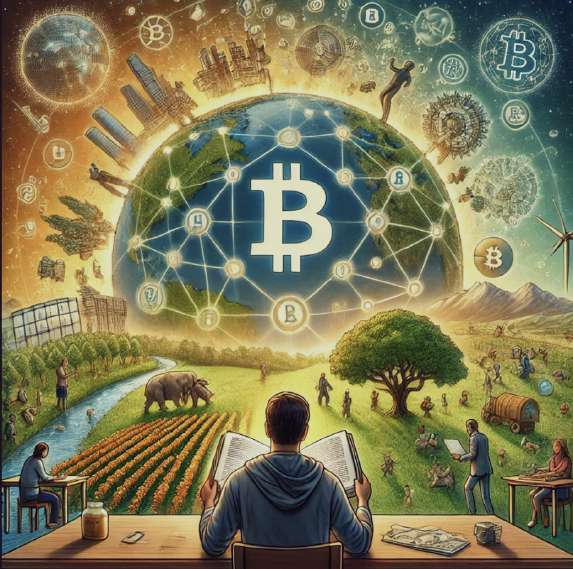
Bitcoin kui suveräänne alusraha

Arutelu

Arutelu avaneb sisselogimisel. Ostu ei ole vaja.

Money creation, the monetary system, and inflation in plain language

Introduction

Finance and the financial world seem complicated to most people. Full of numbers, charts, goals, and accounting that only experts appear to understand. This creates the feeling that the smartest thing to do is to trust “those who know” — investors, bankers, ministers.

We are told about the economy through complex calculations and forecasts: interest rates, budgets, GDP, and other indicators. Yet all of it revolves around one central metric — the Consumer Price Index, i.e., official inflation. Based on this, we are told how healthy the economy is, targets are set, returns on different instruments are calculated, and policies are implemented.

But this is only the surface shimmer of the whole story. The Consumer Price Index says nothing about how money itself is created or why its value decreases over time. It is measuring symptoms, not describing the cause.

Main narrative: inflation is the consumer price index

How money is actually created

To understand what matters most, you don’t need complex models — you need to look at how money comes into existence.

Central banks

  • A central bank has the exclusive right to create base money (M0): cash and banks’ reserves at the central bank.
  • This is done by buying government bonds or lending to banks.
  • That money then flows onward through the commercial banking system.

Commercial banks

But it is in commercial, everyday banks that something happens which is not a secret, yet is an almost completely ignored truth. This is where most money is born through credit creation. When a bank issues a loan, it is not taken from existing deposits. On the contrary, the loan creates a new deposit. This is done through a single accounting entry.

  • On the asset side: “Loan claim against the customer” (the bank’s receivable).
  • On the liability side: “Deposit in the customer’s account” (the bank’s obligation to the customer).

The customer can use this new money, and it moves through the system as if it were “real.” Technically, we can describe such money as “book money” (English: “book money”, German: “Buchgeld”) compared to “base money” (English: “cash”, German: “Bargeld”). You can distinguish them, but in practice it is still money in circulation.

That is why loan and deposit volumes always move together. When loans grow, deposits grow. When loans are repaid, those deposits are destroyed. Money is created and disappears through credit creation.

The fractional reserve double shock

Fractional reserve banking means a bank must keep only a small part of customer deposits — for example 10% — as reserves. The rest can be lent out… That alone should raise serious questions about how the whole arrangement is built. If you deposit €100, the bank can lend out €90 of it. That is major leverage and risk. Should banks really be doing this with our money?

But reality is even more intriguing. The loan does not come from an existing deposit — the bank creates it as new money. So the same €100 deposit can serve as reserves on the basis of which €900 in new loan money can come into being. In total, the accounting shows €1,000 — €100 in reserves and €900 created as loans. The same fractional reserve rule, but at a completely different order of magnitude. And this is normal — the financial world is pumped up with money that does not actually exist, and the entire monetary system has been devalued through it.

Legal foundation

  • The state grants banks operating licenses and sets the framework. Laws, supervision (in Estonia, the Financial Supervision Authority), and the deposit guarantee system provide a societal guarantee that a bank may operate with special rights that ordinary companies do not have.
  • The central bank sets the rules of the game: how much equity and reserves a bank must hold, what the interest rates are, and how settlement works. In this way the system is kept “in balance” and guided according to the needs of the economy.
  • Banks operate within these boundaries. They decide whom to lend to and how much, and earn interest on it. But interest means that even when loans are repaid, the money-creation cycle can never fully close — the system constantly needs new money and new debt so that interest can be paid.

In the central banks’ own words

Money creation through credit is not an “alternative theory,” but confirmed by central banks themselves:

  • Bank of England (2014): Money creation in the modern economy “Whenever a bank makes a loan, it simultaneously creates a matching deposit in the borrower’s bank account, thereby creating new money.”

  • Deutsche Bundesbank (2017): How money is created Banks can create book money just by making an accounting entry: according to the Bundesbank’s economists, “this refutes a popular misconception that banks act simply as intermediaries at the time of lending — i.e., that banks can only grant credit using funds placed with them previously as deposits by other customers.”

  • BIS ECONOMIC PAPERS N° 1 — November 1979: CREDIT AND LIQUIDITY CREATION IN THE INTERNATIONAL BANKING SECTOR The first document in its series in which the “central bank of central banks,” the Bank for International Settlements (BIS), clearly described how international banks create money and liquidity through credit, rather than merely intermediating deposits. This makes it one of the earlier and more influential official confirmations of the logic of the modern monetary system.

  • Richard Werner — Princes of the Yen Werner was among the first to show, academically and empirically using Japan’s financial system as an example, how credit creation works, how banks create money “out of thin air,” and how the central bank steers this process. “Banks do not lend out deposits, they create deposits by granting credit. This credit creation is the source of most of the money supply.”

The money we use in everyday life is mostly loan money, created by commercial banks when they issue new loans. A smaller part is base money — cash and reserves created by the central bank. Together these form the overall money supply (M2), but their nature is completely different.

This may sound strange and unbelievable. Most people (including bank employees) still think that a bank lends out someone’s deposits. In reality it is the opposite: the loan creates the deposit. This makes it difficult to draw conclusions from a bank’s balance sheet. It can seem as if loans should come from deposits and therefore be balanced, but we do not realize that deposits are in fact mostly loans.

Apparent prices vs money supply

Officially, we are told that inflation means rising prices. The Consumer Price Index is the metric by which politicians and central banks make decisions. If prices rise by 2–3% per year, that is considered “normal” and a sign of a “healthy economy.”

But originally, inflation meant something else. The word “inflation” was used when the amount of money was inflated — when more currency was released into circulation than had previously been backed. Rising prices were not the definition, but the consequence.

This change is not accidental. If inflation means only rising prices, it can be measured with a limited basket and presented as seemingly controllable. But the expansion of the money supply is more politically uncomfortable to acknowledge. And so the focus of the concept shifted — from money to prices.

Real inflation is the growth of the money supply, i.e., the erosion of the money’s value itself. And it is on a completely different scale: in Estonia roughly 7–10% per year, sometimes even more. That means money burns faster than we are told.

Estonia money supply (M2) annual change versus the euro area. Source: FocusEconomics

Does this matter?

Of course. The difference is huge. The mismatch begins at the root level.

If you believe the official 2% inflation, then a 3% interest rate on a bank deposit or a 5% return in a pension fund seems good. But if the money supply is actually growing 7–10%, then we are system-wide in the negative. Money loses value faster than returns grow. This changes the entire understanding of saving, investing, and pensions. Over time it destroys generational wealth and increases inequality. The ones who suffer most are the “proper” ones — those who save and avoid loans.

This also affects state policy. If a government talks about a “responsible budget” while simultaneously expanding the money supply through the central bank and commercial banks, the real picture is distorted. Tax increases, the pension system, and public debt are all built on the assumption that inflation is what the CPI shows. If the foundation is wrong, the entire discussion is off.

The most important level is people’s consciousness — education. We have become used to thinking that rising prices are inevitable. In reality, they are not. This is a consequence of the system, not a law of nature. Money as the equivalent of our work and energy should not leak.

This is the apparent vs real inflation: not the price increase in the store, but how fast our money’s value actually disappears. When you become aware of it, the whole picture changes. And it is no longer an economic detail, but the foundation on which all politics, the tax system, and our shared future rest.

A lot is said about investing and financial freedom — financial gurus, conferences, and all kinds of courses create the impression that investing is exciting and necessary. Yet at the same time we must acknowledge that most investors lose money. Survival in markets is serious work, and it is sad that in addition to everyday life one must also do this just to preserve the value of hard-earned money. In addition to the fact that markets and the information space are extremely manipulated, there is another important challenge to become aware of. Let’s look at it through our local financial market.

OMX Baltic 10 price and gross return index, 2015–2025. Source: Nasdaq Baltic

The OMX Baltic 10 index brings together the 10 most actively traded and most liquid stocks on the Baltic exchange. The growth of its price index over the last ten years is nearly twofold. Including dividends that are reinvested immediately back into the stock, the return is almost threefold. Pretty good, right?

Estonia money supply (M2). Source: Trading Economics / Bank of Estonia

But the return of the larger and better Baltic stocks is no longer that impressive once you consider that over the last decade the money supply in Estonia has grown 2.5 times (on average 9.5% per year). Over 20 years, the money supply has grown 6.6 times (9.8% per year). This means that the returns of the best companies are more or less zero compared to the loss of money’s value. The following chart shows where all these loans come from.

Bank of Estonia: loans and leases to resident non-financial corporations and households, and annual growth, 2005–2025

In the current financial system and social norm, “economic growth = debt growth.” In that case, our current success is directly at the expense of the future. Do we really want to be among the fastest-growing countries in Europe?

The Keynesian framework

When you first understand that banks create money by issuing loans, and that economic growth actually means debt growth, it seems absurd. How can such a thing be legal and why is it considered normal? The answer lies in the story of economic theory.

Classical economic theory (18th–19th century, Adam Smith, David Ricardo) believed in market self-regulation. If a crisis occurred, the market was supposed to bring itself back into balance: prices fall, less efficient companies disappear, and eventually a new equilibrium returns. This logic also lives on in the Austrian school — faith in the market’s natural ordering

force and in limited money. Money is like a living organism with natural cycles that reflect humanity and the state of the moment.

John Maynard Keynes wrote his main ideas in a very different era — during the Great Depression of the 1930s, when unemployment was massive and the market did not recover. The classical “wait and the market will improve” did not work fast enough. Keynes concluded that the problem might not be supply but demand: if everyone starts saving and spending disappears, the economy stalls. His solution was that the state must intervene when necessary — spend more, borrow, create demand.

This was a convincing, even saving idea in its time. Politically it was not difficult to sell to the public. Keynes did not advocate endless printing, but crisis support. But when the link between money and gold was cut in 1971, his framework became an ideal justification for the new era of fiat money: now there were no constraints, and money could be expanded as needed. This became the “new normal” of the economy. Academia is still dominated by Keynesian thinking, where central bank printing, the growth of public debt, and bank credit creation are natural tools. So the expansion of the money supply seems not like a problem, but an inevitability — even a solution.

Fiat — money by state decree

The word fiat comes from Latin and means “let it be,” “so be it.” It expresses the force of a command or decision. That is exactly how fiat money works: its value comes from the state and the law declaring, “this is money.”

If gold gets its value from the metal itself and mining it — physical scarcity limited by nature; and for example Bitcoin gets its value from mathematics and energy-based distributed mining — digital scarcity limited by code; then fiat money gets its value from shared belief and the legal obligation to accept it. Today’s euro, dollar, and other major currencies are all fiat — money that exists and has any value because we agree that it exists.

How did we get here?

The history of money is long and colorful — ranging from barter, shells, polished stones, and metal money to the tax systems of various empires. All of this has played a role in shaping human society.

Here we begin with the last few centuries, because that is when the logic of modern banking and finance was born: money as a promise, fractional reserves, and finally a full fiat system.

The gold era

At first, money literally meant gold or silver. For safety and convenience, bankers and goldsmiths emerged who stored precious metal and issued deposit receipts (IOU — I owe you).

These receipts quickly became more popular than carrying gold — they could be used to buy goods and settle debts.

This is where the first logic of “money intermediation” was born: people did not come to reclaim their gold every day, but used paper as proof. It was simpler, and inevitable. Intermediaries noticed that most gold simply sits in vaults and that the vast majority prefers to use “paper gold” because it is practical; and so intermediaries began issuing more receipts than the gold they actually had in reserve. This was the first step toward credit creation: more promises were created than real backing.

An important clarification

Gold itself no longer moved; promises for gold moved. Money changed from the asset to access to the asset — and from there into belief in access.

The British pound and a gold-backed world

In the 18th–19th centuries, Great Britain became a global empire, and the British pound sterling became the world’s leading money. The pound was linked to gold, and London’s banking system became a center of international trade. Many other currencies were either directly linked to gold or indirectly linked through the pound.

This period is often presented as the “golden age of the gold standard.” In reality, even this system was intermediated and centralized: gold was concentrated in the hands of banks and state vaults, and the money circulating in daily economic life had long been paper and settlement. This means that even a “gold-backed world” did not function as direct gold money, but as a hierarchical access system where a few had real control and most had a promise.

The 20th century — fractional reserves and world wars

During the 19th–20th centuries, fractional reserve banking was established: banks had to keep only part of the gold as reserves. The rest could be lent out. This system held until crises and wars arrived. During the world wars, money was printed massively to finance the war machine, and the link to gold eroded.

This is an important side note: today’s massive wars are only possible because of money printing. That is also a reason to be passionate about monetary systems. This is not just a “finance topic,” but a theme of humanity with monumental consequences, and therefore important for a conscious person.

Here one thing also became finally clear: money tied to gold cannot be maintained in a crisis. When a state’s existence is at stake, the promise always breaks.

Bretton Woods and the dollar’s gold backing

In 1944, the Bretton Woods conference agreed on a new world order: the US dollar was pegged to gold (1 oz = 35 USD) and all other currencies were pegged to the dollar. The US became the keeper of the world’s reserve currency because it had the largest gold reserves.

In reality, this was already a second-tier gold standard: most countries no longer had a direct relationship with gold, but trusted the US promise. Gold was concentrated into one center, and the world used the certificates issued by that center.

The Nixon shock

In 1971, US President Richard Nixon ended the dollar’s convertibility into gold. The underlying reason was simple: the US had spent enormously due to the Vietnam War and social programs, and there was no longer enough gold to cover all foreign claims on dollars. Many countries, especially France, had begun converting dollars into real gold (tragicomically, in 1965 a warship was sent to New York to pick up gold), and gold reserves began to run out. As a side note, it is interesting to see similar behavior today, when Italy demands its gold back into its own hands.

Nixon told the public this was a “temporary measure to protect the dollar from speculators.” It was presented as a necessary defensive step to stabilize the situation. In reality, it meant the final separation of gold and the dollar and the global beginning of the full fiat era. And as with many “temporary measures,” it became permanent.

The central bank and the Federal Reserve

In the broader context of history, it is necessary to understand the special position of central banks. They are not ordinary market participants, nor are they directly run by governments. Their task is to manage monetary policy: regulate interest rates, manage the money supply, and ensure the functioning of the financial system.

Every system is a bit different: in Europe monetary policy is led by the supranational European Central Bank; in China the central bank is under party control; in the US the Federal Reserve operates as a formally independent body. At the international level, central bank activity is coordinated by the Bank for International Settlements in Switzerland.

The most powerful central bank is the US Federal Reserve (FED), because the US dollar is the world’s reserve currency. The FED was created in 1913 after a secret meeting on Jekyll Island, where a small circle of politicians and bankers set the rules of the new system. The FED is a special hybrid: its member banks are the largest commercial banks, its leadership is appointed through politics, but the people do not elect it. The FED is protected by law, US military power, and global agreements.

Critics, such as G. Edward Griffin in The Creature from Jekyll Island, have called the FED a system where collective money is created as debt, interest profit accumulates to a few, and risk is shared by all. It is an institution not elected by the public and without direct democratic control, even though its decisions affect the entire world economy. The question surrounding central banks is: how is it normal that the levers of the economy are in the hands of a small circle?

The final phase — the evaporation of fiat money

Today, cyclically, we are in the last phase of the system: money is not tied to gold, silver, or any physical constraint. It is based on belief, debt, and continuous expansion. If economic growth slows, more money must be created. If a crisis deepens, more money must be created. This is a system that can no longer stop, and it is in a bursting phase.

At the same time, the claim increasingly appears that “the solution is to go back to gold,” because gold has “worked for 5,000 years.” In reality, gold has never functioned systemically as global money without centralization and intermediation, which always leads to centralization, after which the relationship between money and gold is blurred until it is finally removed entirely. So “back to gold” is not progress, but a return to an already-walked, non-working cycle whose ending is known. Gold is not designed to be the money of a modern, global society. Gold is not sovereign/freedom money, but a precious metal.

Estonia’s story in this context

Estonia’s history reflects the broader movement, but in the context of a small country the steps were especially sharp:

  • In the 1920s–30s we had our own gold-backed kroon. Inflation was low because money was tied to a physical asset.
  • During the Soviet era, Estonia had no own money, but the ruble, which was a tool of political control. Monetary reforms (1947 and 1961) were currency reforms and also purges of people’s savings. This left Estonians with a deep experience that the value of money can change overnight.
  • After the 1992 currency reform, we experienced hyperinflation. Prices rose by over 1,000% in 1992. This showed how fragile trust in money is without real backing.
  • The currency board system (kroon pegged to the German mark) brought inflation down and created stability. By the mid-1990s inflation was already below 30% and later fell into single digits.
  • From 2002, tied to the euro area and later with the adoption of the euro, we lost independent monetary policy. The inflation communicated to the public (CPI) has mostly stayed in the 2–4% range, but real money supply growth (M2) has been much faster — roughly 7–10% per year.

The flow of money, in summary

  • At first, money = gold/silver.
  • Then money = a promise of gold, which enables intermediaries to take a cut.
  • Therefore money = a partially backed promise.
  • After 1971 = pure fiat, only the promise of central banks and commercial banks.
  • In Estonia = our own gold kroon → loss of independence → our own kroon again (hyperinflation and stabilization) → euro and a unified fiat system.
  • Now money = debt, globally.

Future paths

The monetary system will not stand still. Already now, several possible new paths are forming. It would be useful to understand the different directions and at the same time recognize differences in design. Otherwise the existing sinking ship may take you down under new slogans.

  1. Central bank digital currency (CBDC) In Europe a digital euro is being built; in China the digital yuan is already operating. The difference is control: in Europe an “independent” central bank; in China direct state control. In both cases it is fiat — centrally guided, inflationary base money. In total, 137 countries and currency unions are researching or building a central bank digital currency.

Atlantic Council CBDC tracker: 137 countries and currency unions

  1. Stablecoins These are new digital monies linked, for example, to the US dollar. The innovation is that they can be transferred quickly, cheaply, and easily around the world, like cryptocurrency. But the substance remains the same: it is still FIAT. A stablecoin does not break the old system — it strengthens it. It creates new demand for the base currency (e.g., the dollar — USD stablecoins

are backed, i.e., they buy US government debt) and extends its lifespan — even in a situation where trust might otherwise be eroding.

Decentralized, sovereign, limited-supply base money — Bitcoin The first real technical alternative money. Distributed, limited supply (21 million; each bitcoin contains 100 million smaller units, satoshis), dependent on no state and no central bank. Bitcoin offers a completely new sovereign and global base money logic: money that is not based on debt, not centrally controlled, and cannot be created more — even if someone wanted to.

What does this all mean for us? The system works the way it works. There is no point denying it, dramatizing it, or attacking the participants — debt-based money collapses without all of this. But we can avoid increasingly painful consequences by preparing now for a shift to new foundations.

Individually, this means we should realize: official inflation does not reflect the real decrease in money’s value. When evaluating saving and investing, we must take money supply growth into account. For example, gold has reflected and neutralized the increase in Estonia’s money supply over the last 20 years quite well.

Gold price over the last 20 years (USD/oz). Source: goldprice.org

But gold is not designed as global base money — it is a useful, even magical element that we keep, by force and by habit, hidden in vaults.

Collectively, this means we face a choice: what monetary system do we create for ourselves? What is the money of the new world, considering our entire past and the developments of today?

Final word Money is a store and transmitter of human work/energy. If it functions fairly, it amplifies our cooperation and creativity. But if money is constantly leaking — if its value decreases and it serves only the interests of a few — it becomes a force that exhausts us all.

Independent and honest money would be a tool that serves everyone’s interests. Right now it does not. But this knowledge is not a reason for panic. On the contrary — it is a reason for clarity.

What you have read here is not a specialist textbook or an “experts’ secret.” It is basic education for everyone, not higher education for a few. Understanding money is not complexity, but simplicity. It is a step toward literacy and a clearer worldview.

What next?

How do we want to store and direct our energy? What money enables direct cooperation? How can we ensure that money is independent and honest? How do we create a system that does not leak energy into the pockets of a few, but supports all of us?

These are questions worth thinking about both individually and collectively. And perhaps it is exactly from this discussion that a path will emerge — one that leads us to a more honest and brighter money of the future.

Bitcoin as sovereign base money

Discussion

Discussion opens when you sign in. No purchase required.